

Kyrgyzstan: where the race is set
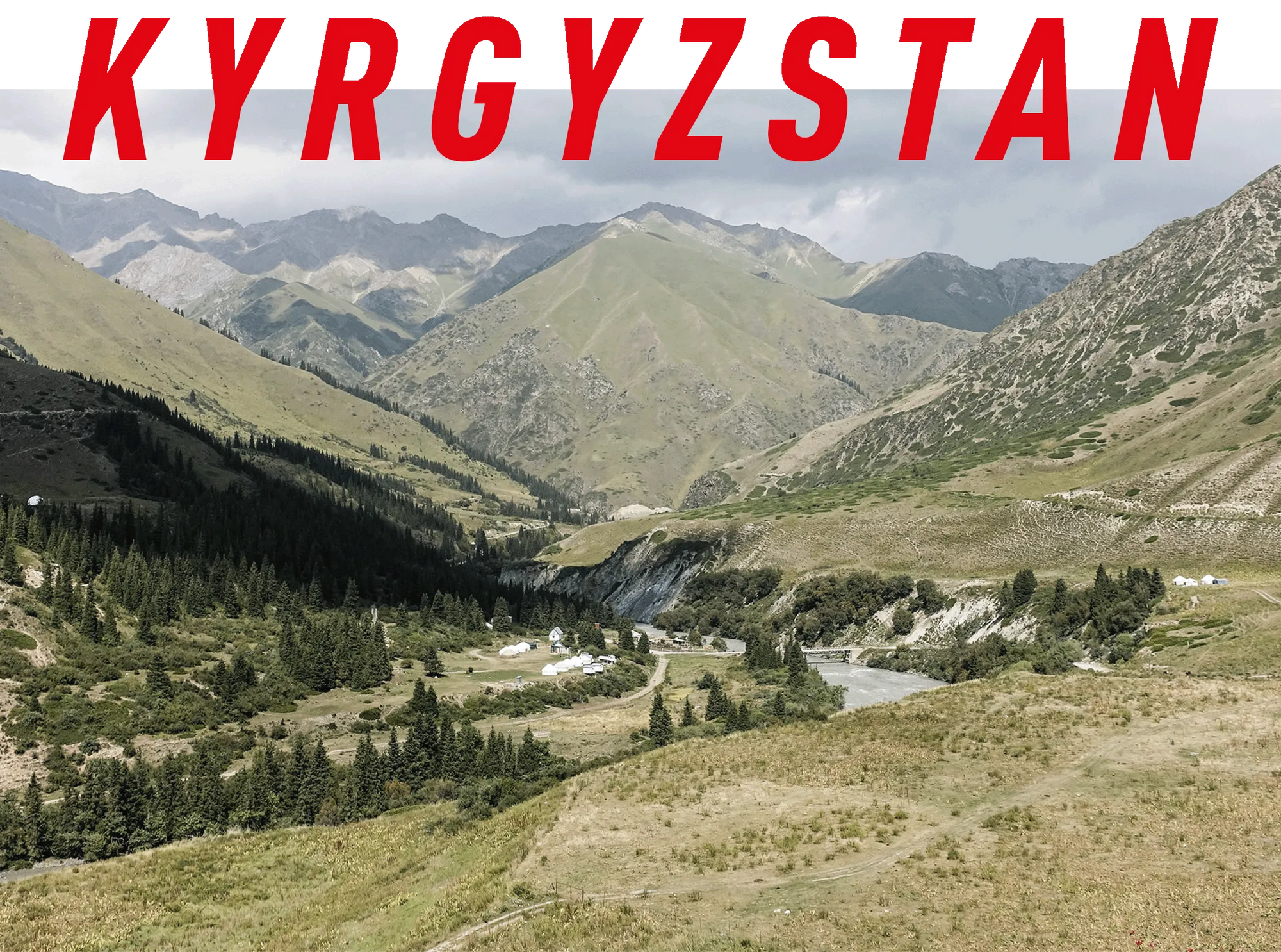
Kyrgyzstan'srugged terrainandbreathtaking landscapesprovide the perfect backdrop for the Silk Road Mountain Race (SRMR), a grueling bikepacking adventure that challenges even the most experienced cyclists. This race, which traverses some of the most remote and beautiful regions of Central Asia, has become abucket-list event for ultra endurance bikepackersaround the world.
THE ROUTE
To ensure a comfortable circular pedal stroke, the length of the seat tube, which is naturally also always adjusted to the wheel size and the specific use of the respective bike, is crucial. Most mountain bikes have Dropper Posts installed for perfect freedom of movement off-road, which can be easily adjusted in height with a lever on the handlebar. The correct height in the extended state of the seat post is set so that you sit comfortably and the leg at the lowest pedal point is just not stretched out. If you slide left and right over the saddle while riding, it is set too high.
The perfect height of the saddle in the extended state ensures a comfortable sitting position. Here, the leg at the lowest pedal point is just not stretched out.
Now that you are well versed in the topic of bike sizes, you should also consider the appropriate intended use when choosing your new bike. Thus, nothing stands in the way of the perfect ride on the bike that is best suited for you!


THE TERRAIN
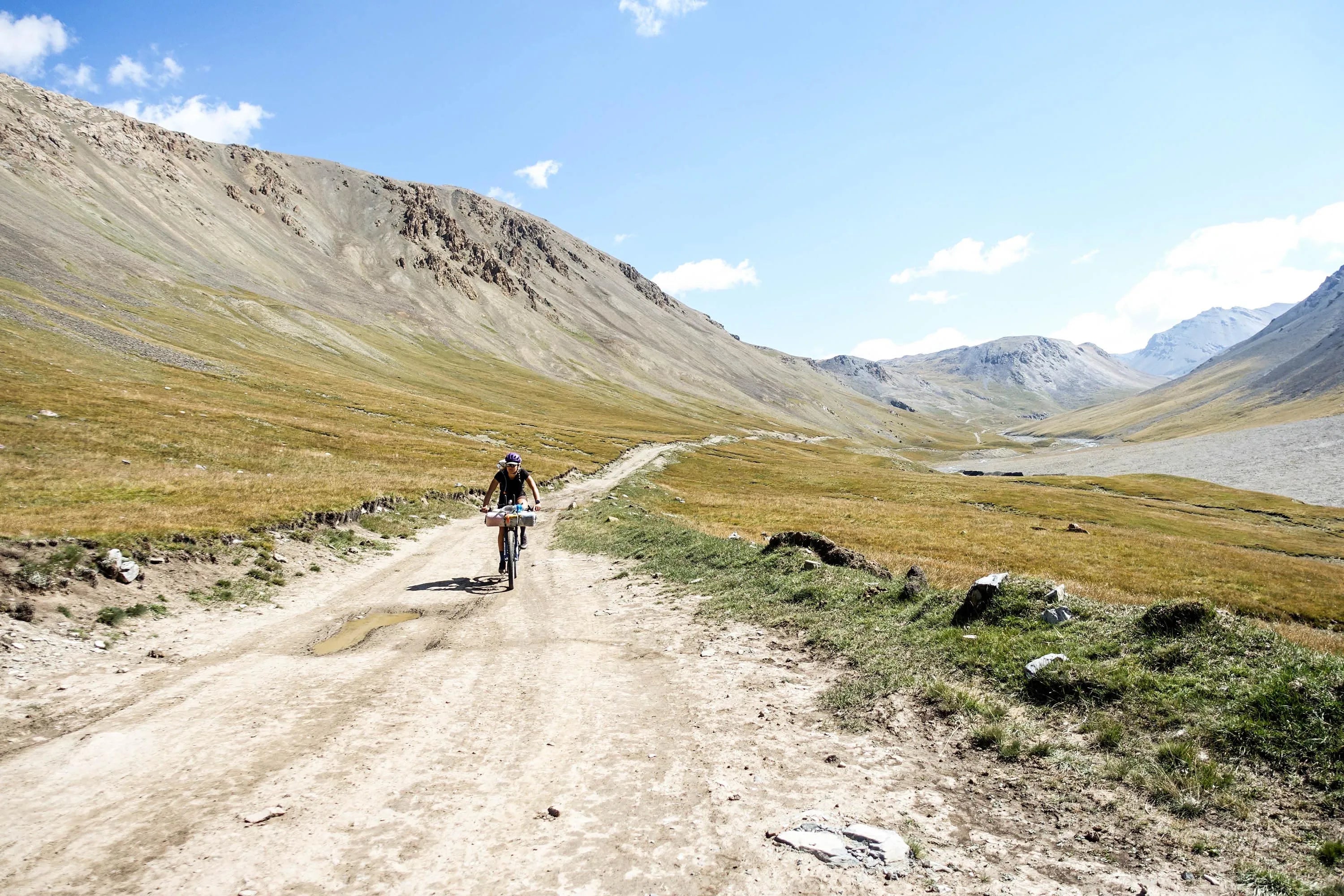
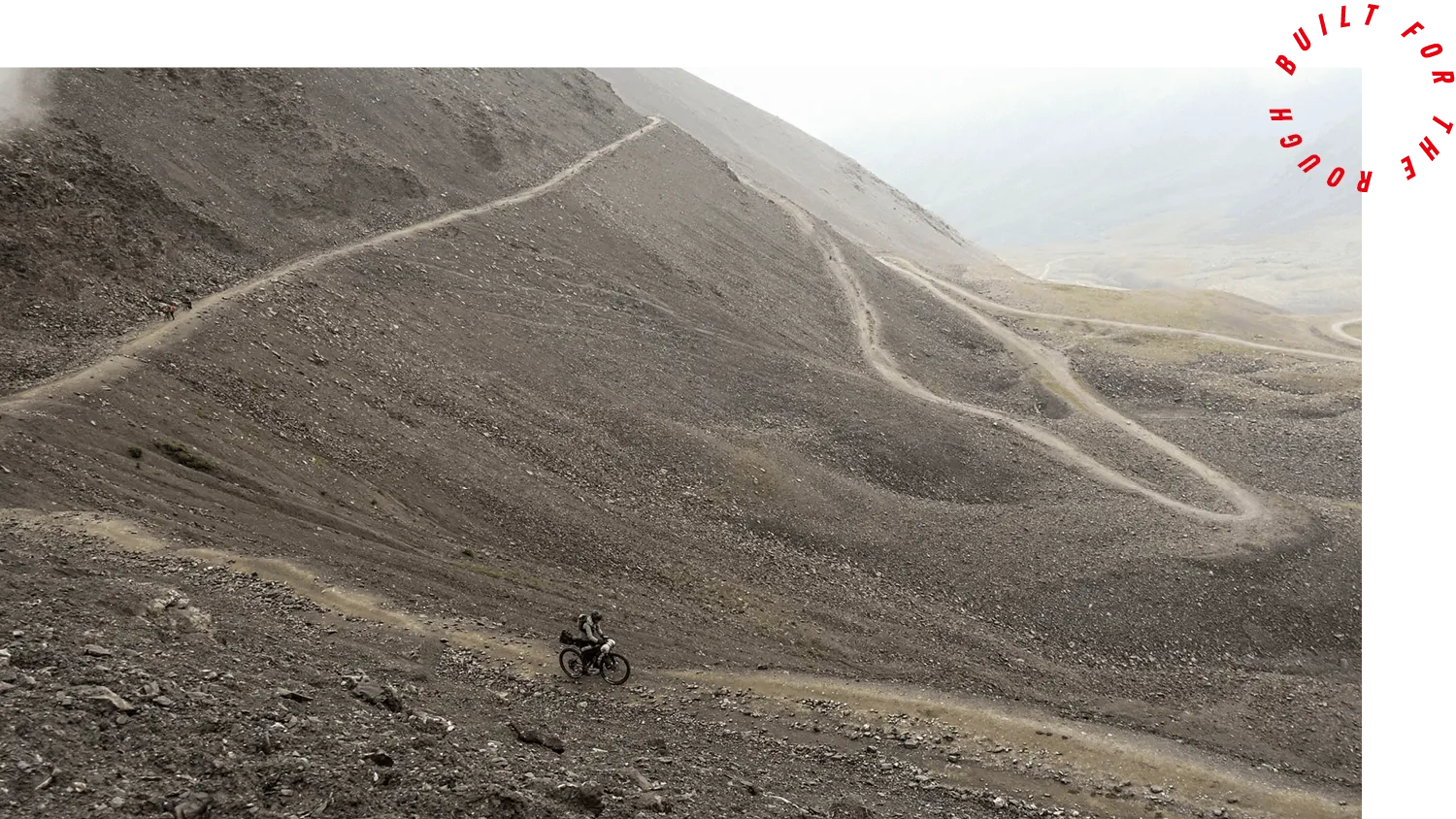
Cyclists embark on a journey that takes them through the heart of the Naryn region. The route includes the famous Kegety pass, which sits at an elevation of over 3,785 meters. Riders face steep ascents and descents, often battling extreme weather conditions.
The race also passes through remote villages, where participants can experience traditional Kyrgyz hospitality. The landscape ranges from lush green valleys to arid high-altitude plains, showcasing Kyrgyzstan’s diverse ecological zones. The challenges of navigating such varied terrain are compounded by the need for self-sufficiency, as support services are minimal.


THE CHALLENGES
Bikepacking the Silk Road Mountain Race is more than just a physical challenge; it’s a mental and emotional journey. Riders must contend with altitude sickness, harsh weather, and the solitude of Kyrgyzstan’s remote regions. The self-supported nature of the race means that participants must be prepared for mechanical failures and have the skills to handle their own repairs and any other challenges they might encounter throughout the race.


THE BIKE
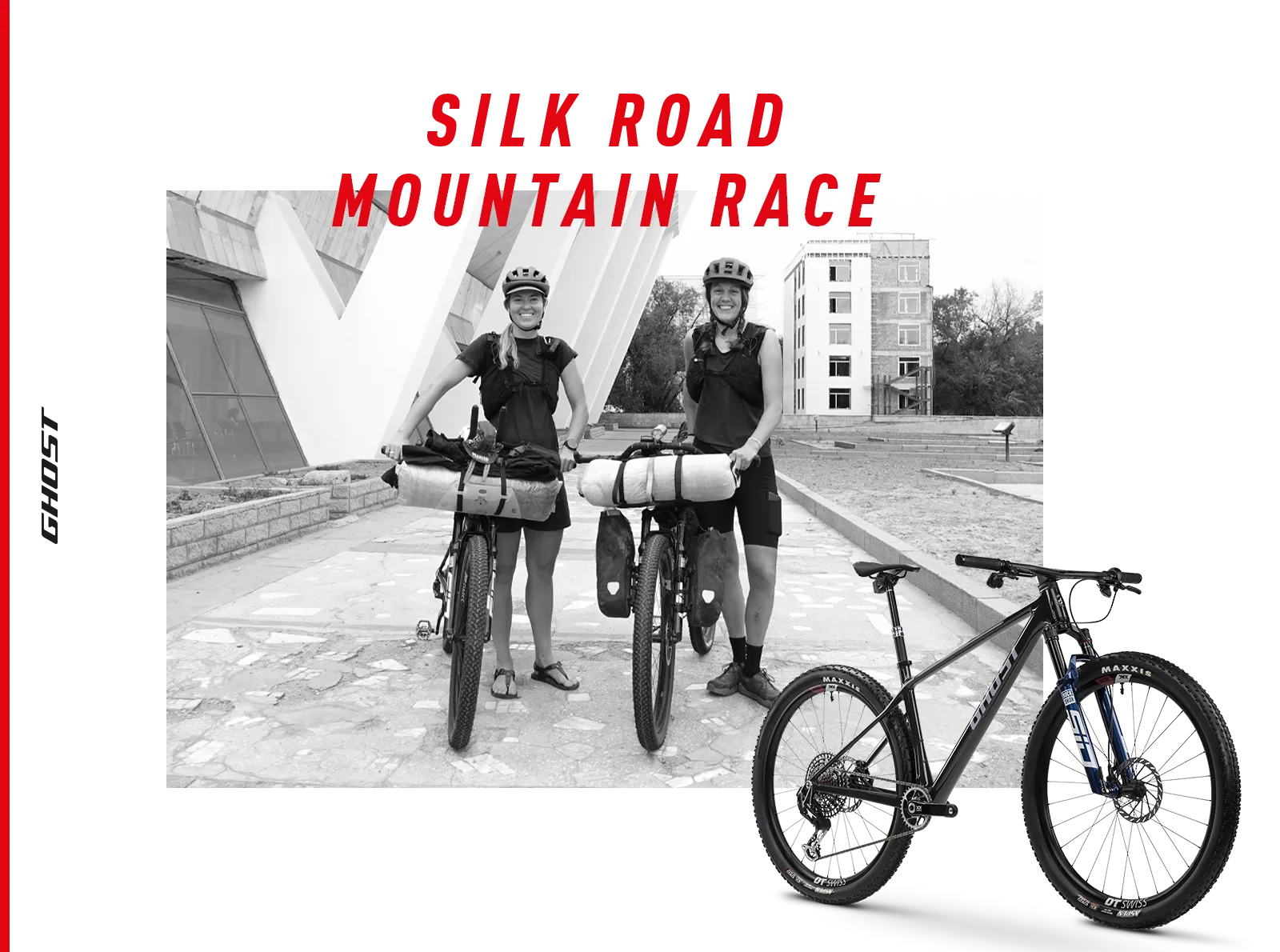
For the race we chose the new Lector WC 30, for its lightweight frame, faster acceleration and less fatigue over prolonged periods. This is crucial for the SRMR, where riders must tackle long distances, steep climbs, and rugged terrain.
PREPARATION & KIT
Preparation for the Silk Road Mountain Race requires thorough planning. Not only is high-altitude biking training necessary, but figuring out the appropriate kit for the race takes a lot of time.
Packing the right clothing for the Silk Road Mountain Race (SRMR) is essential due to the diverse and often extreme weather conditions encountered along the route. The clothing needs to be versatile, functional, and suitable for a range of temperatures and weather scenarios. We brought everything from down pants, to rain jackets and sun hats.


FOOD
Given the race's remote location, we needed to carry a substantial amount of food to sustain us through long stretches without resupply. We packed enough dehydrated meals, protein bars, and hydration tablets for six days. When we reached resupply points, we typically restocked with bread, chocolate bars, and various sweets—essentially whatever was available in the small village shops.


SCRATCHING
Unfortunately, we both had to end the race early due to illness. However, after a few days of rest, we were able to resume riding and still had the opportunity to experience the breathtaking, vast landscapes.


